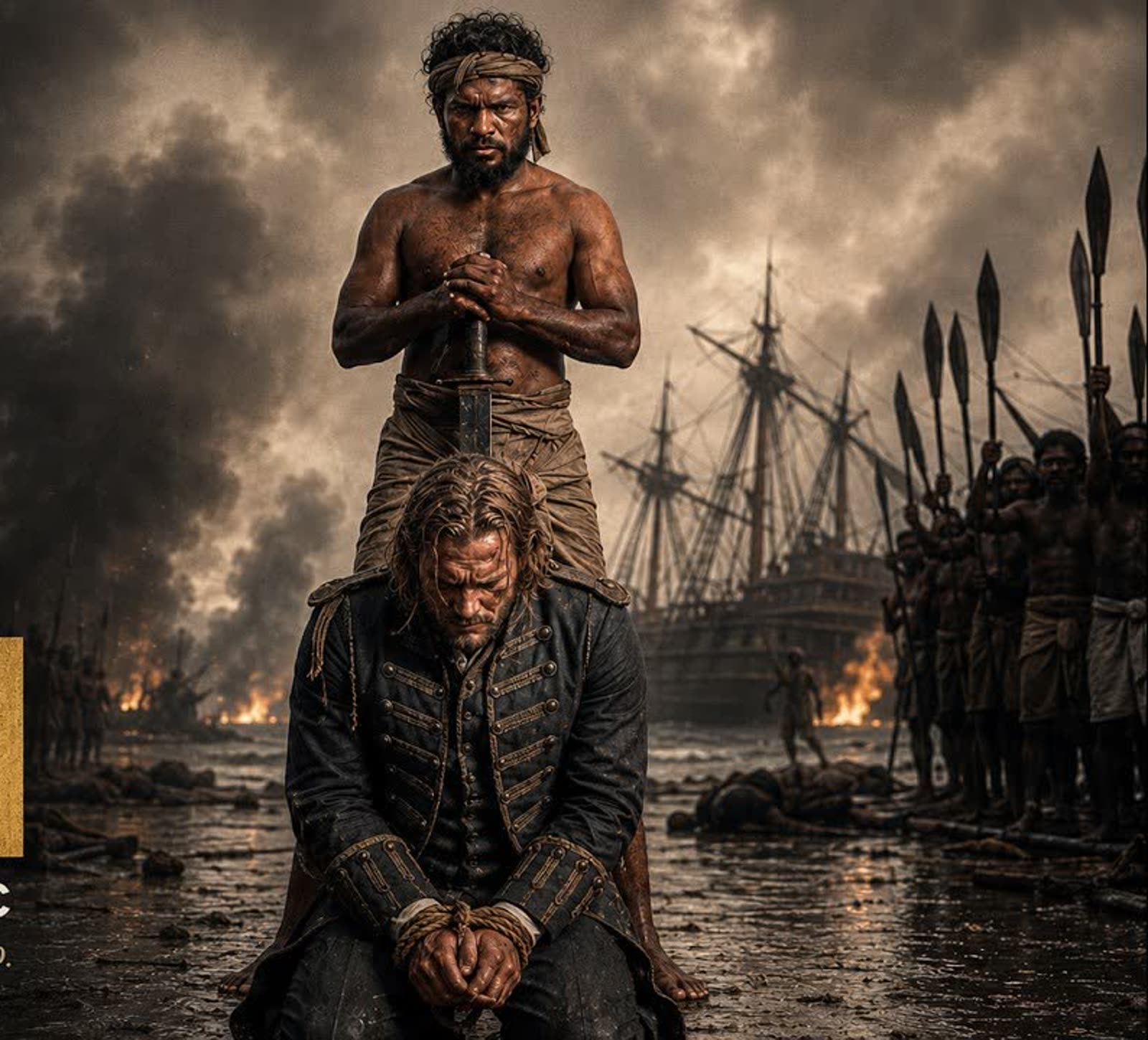
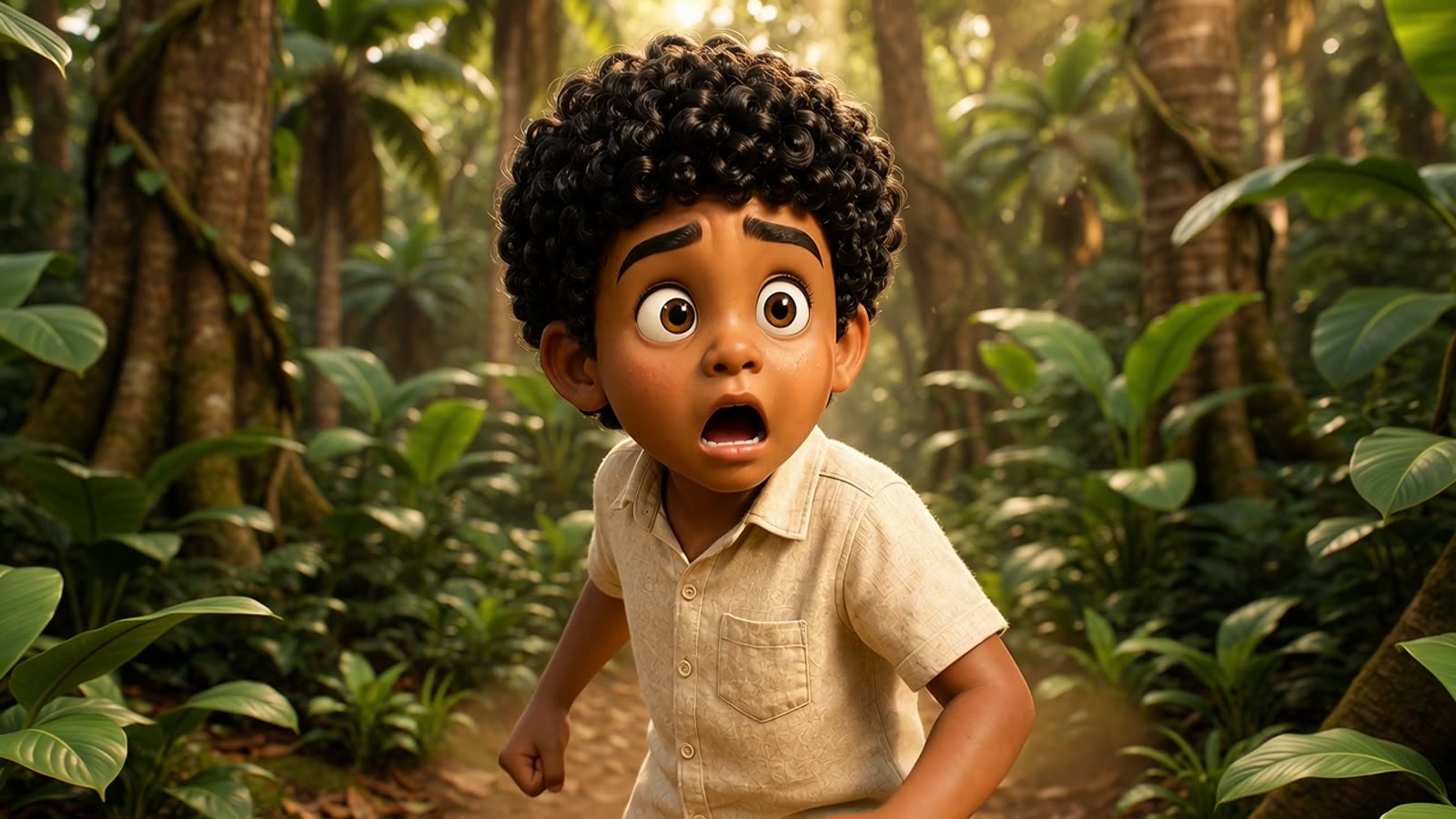
How do you make animated content in Malayalam or Tamil — and what actually changes?
Four things change, and only one of them is translation. Script in the language rather than translating into it, because the joke and the rhythm do not survive the trip. Cast native voice and direct it in the language. Budget for longer lip-sync, since Malayalam and Tamil syllable counts rarely match the English cut. And get the cultural specifics right — the wrong doorway, the wrong tea glass, the wrong festival month reads as fake faster than any animation error.
Published 30 August 2026 · Sahaya Rex
Most conversations about "making it in Malayalam" are conversations about translation. Translation is the smallest part of it, and treating it as the whole thing is why so much regional-language content feels imported.
Here is what actually changes.
Script in the language, do not translate into it
Comedy is the clearest case, because it fails loudest. A joke is a rhythm and a delay as much as a meaning, and both are properties of the language it was written in. Translate it and you get the meaning, with the rhythm removed.
The same applies to a brand line. The English version was engineered to land on a particular beat. The Malayalam version needs to be engineered too, not converted.
Practically: we write in the language the film will actually run in, then produce an English version if one is needed — rather than the other way round.
Cast native, and direct in the language
A voice performance carries region, class and age in ways a non-native director cannot reliably hear. If the direction happens in English and the performance happens in Malayalam, the notes are landing one step removed from what the audience receives.
This is not expensive. It is mostly a matter of deciding it matters.
Plan the edit around the language
Malayalam and Tamil syllable counts rarely match an English cut. A line that sits comfortably in two seconds of English routinely needs closer to three.
If the edit is locked to English timings, every regional version arrives slightly rushed and slightly out of sync, and the audience registers it as cheap without diagnosing it. Cut for the language that will carry the film.
Get the specifics right
The fastest way to lose a regional audience is a detail that is nearly correct.
The wrong doorway for the region. A tea glass from the wrong state. A festival in the wrong month. A uniform from a school that would not exist there. None of these are animation errors, and all of them read as fake immediately to the people you are trying to reach — while remaining completely invisible to everyone in the approval chain.
This is where working from the place actually pays. We are in Kerala; the reference is out of the window rather than out of a search result.
Why this is a moat rather than a feature
Global AI content shops are English-first by construction. Scale, price and output are genuinely on their side, and language is not.
For a brand trying to reach Kerala, Tamil Nadu or the Gulf Malayali diaspora, that gap is the whole decision — and it is not one that gets closed by translating harder.
Questions people ask about this
- Can you just translate an English animated film into Malayalam?
- You can, and it will read as translated. Timing, humour and emphasis are built into the writing, and a dub inherits the English rhythm. If the Malayalam version matters, write it in Malayalam and cut to that.
- Does lip-sync work for Indian languages in AI animation?
- It works, but the syllable counts rarely match an English edit, so shots need to be cut for the language they will actually carry. Plan the edit around the language rather than retrofitting the language into the edit.
- Which studios can produce an animated series in Indian languages?
- Few, natively. Most global AI content shops are English-first and localise afterwards. We write, voice and localise in Malayalam, Tamil and English as first-class languages, which is the whole reason we work where we do.